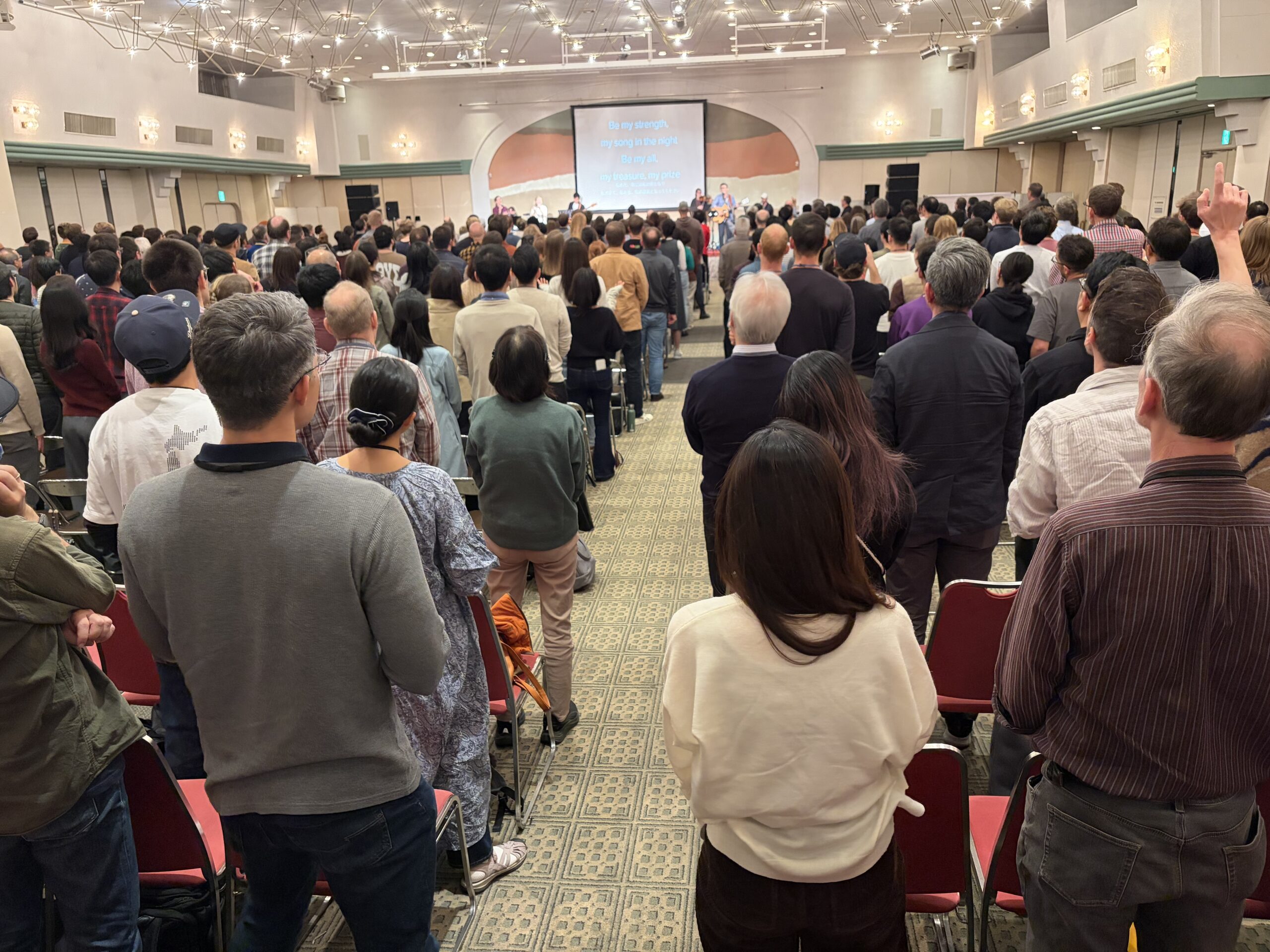
Hollersteboller! Dis mos maar hoe die jaar uitglip onder jou voete. Nou ja, voor jy jou oë uitvee en Desember se uurglas ook leegloop, hier is ‘n paar grepies uit Oktober en November se aktiwiteite vanuit ons deeltjie van die aardbol.
Die een hoogtepunt wat ons wil uitlig is ‘n konferensie, genaamd CPI Renown wat ons verlede week as gesin kon bywoon in Shizuoka. Dit was besonder bemoedigend en het ons herinner dat ons “inspanning in diens van die Here nie tevergeefs is nie.” (1 Korintiërs 15:58).
Wat het gesonde teologie, geesdriftige lofprysing en stukkende, gekneusde voete met mekaar te doen? By die konferensie, waar meer as 800 mense byeengekom het, is ons opnuut herinner aan die onlosmaaklike verband tussen gesonde leer en vurige sendingywer. Maar hoe bly ons getrou aan die Here se roeping in ’n land waar harmonie dikwels swaarder weeg as die waarheid, en die vrug van sendingwerk so min sigbaar is? Lees verder (heel onder) hoe Carina haar indrukke van die konferensie in kleur en geur deel. En kyk na hierdie kort video wat ons ervaring saamvat.
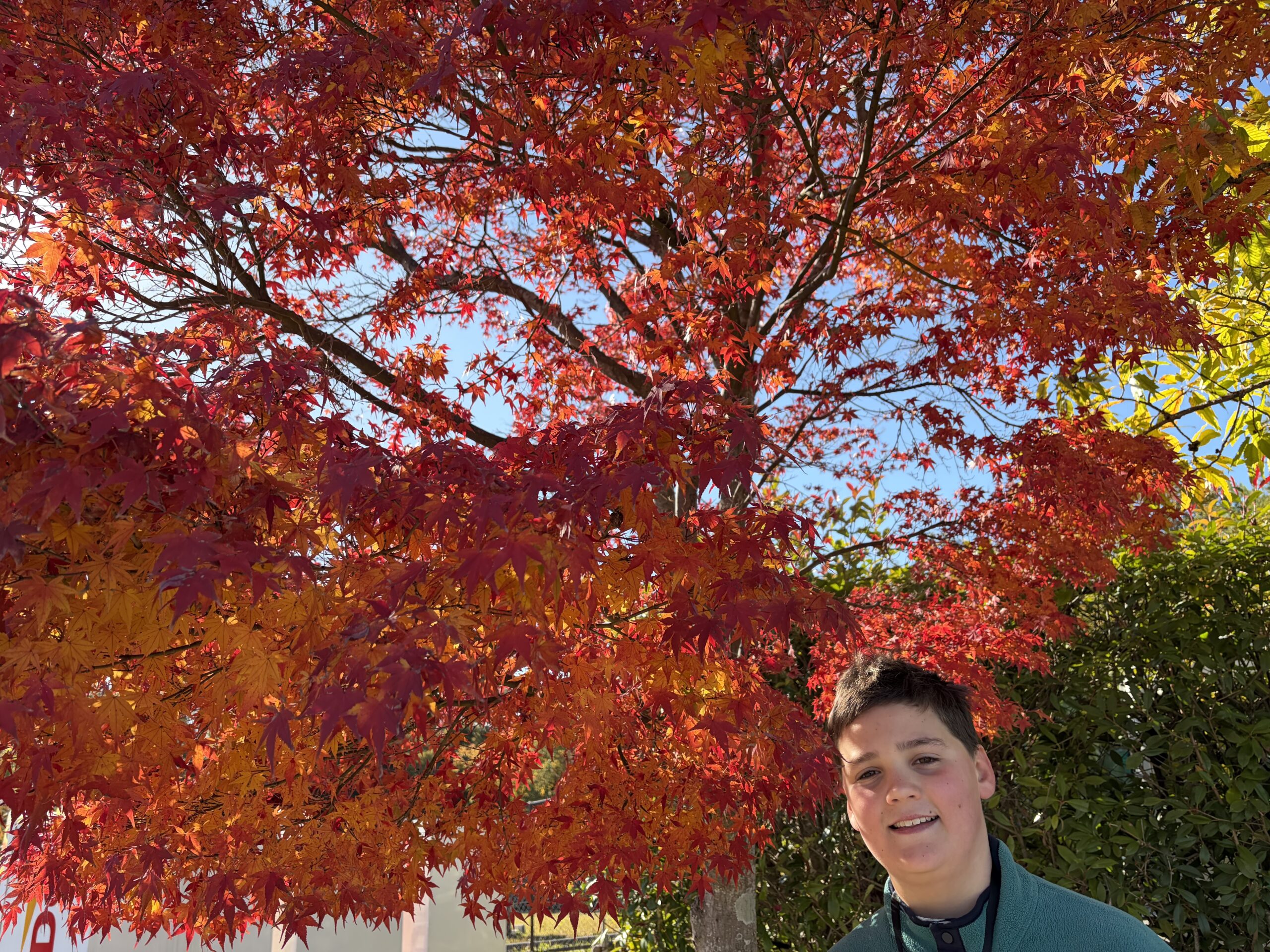
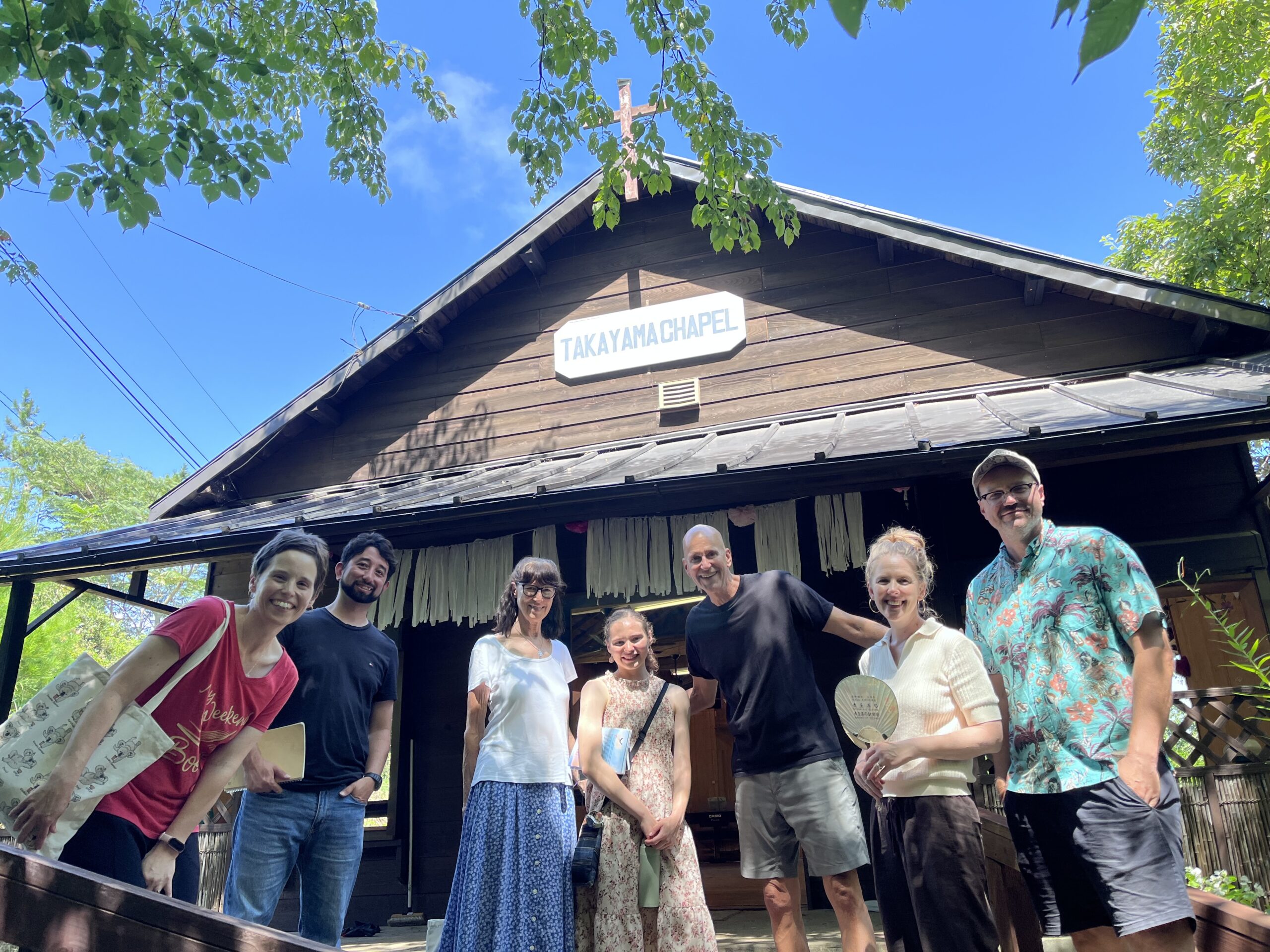
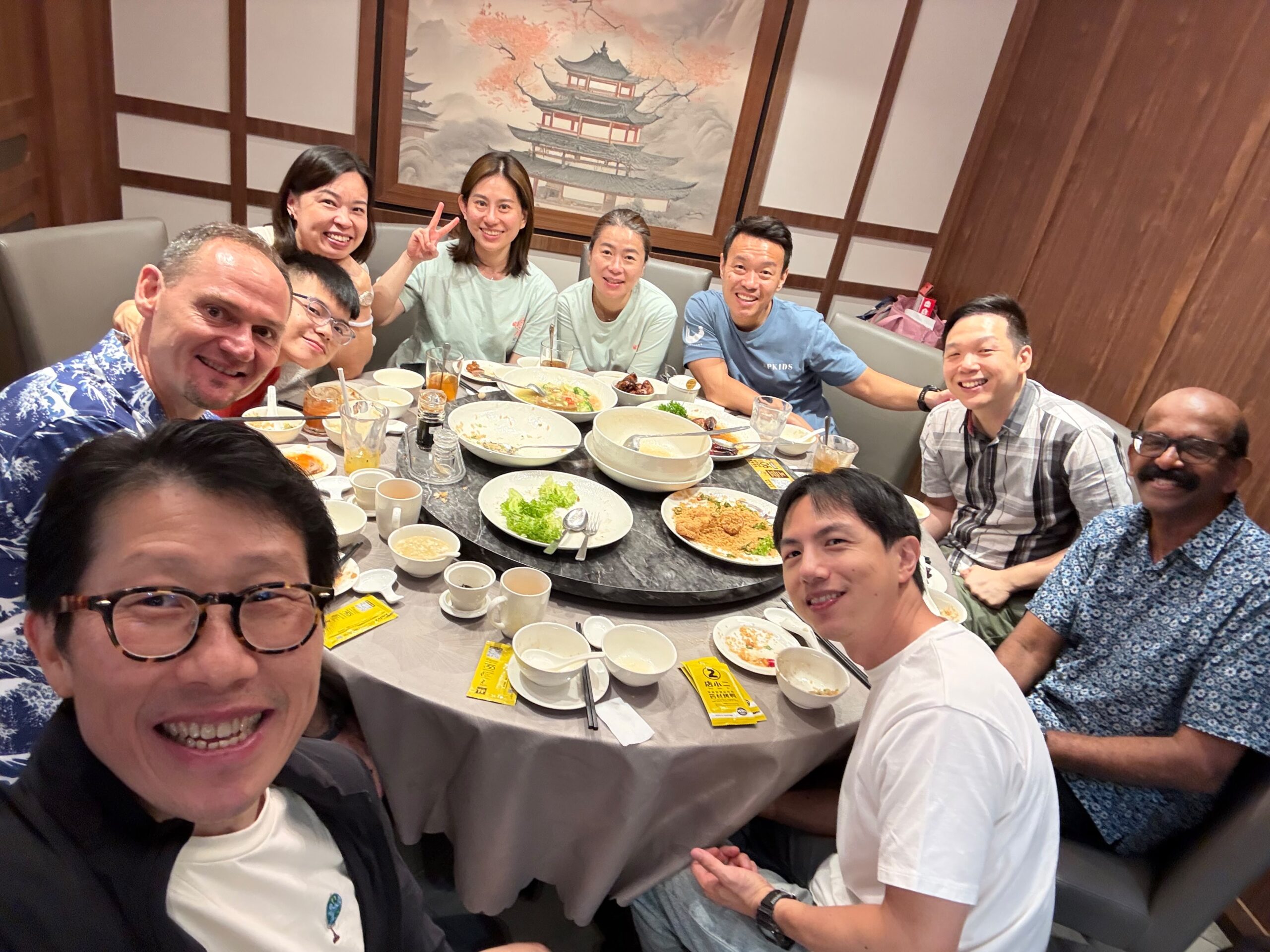
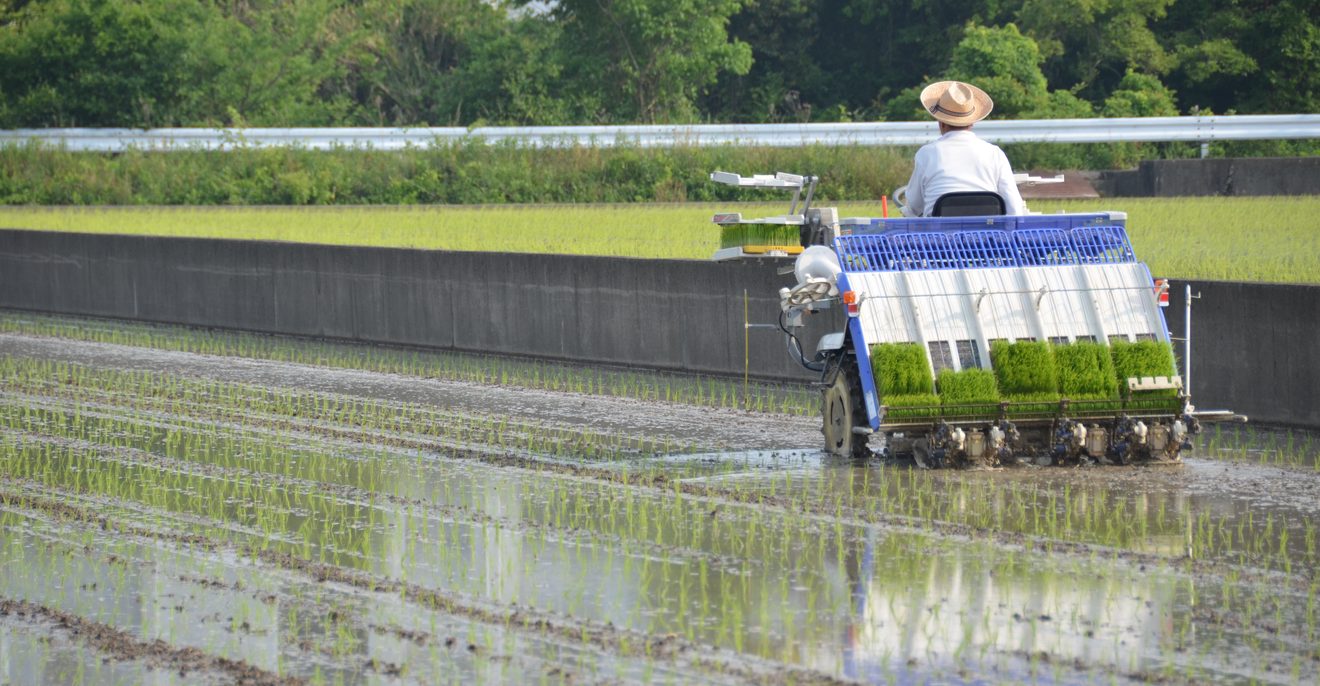
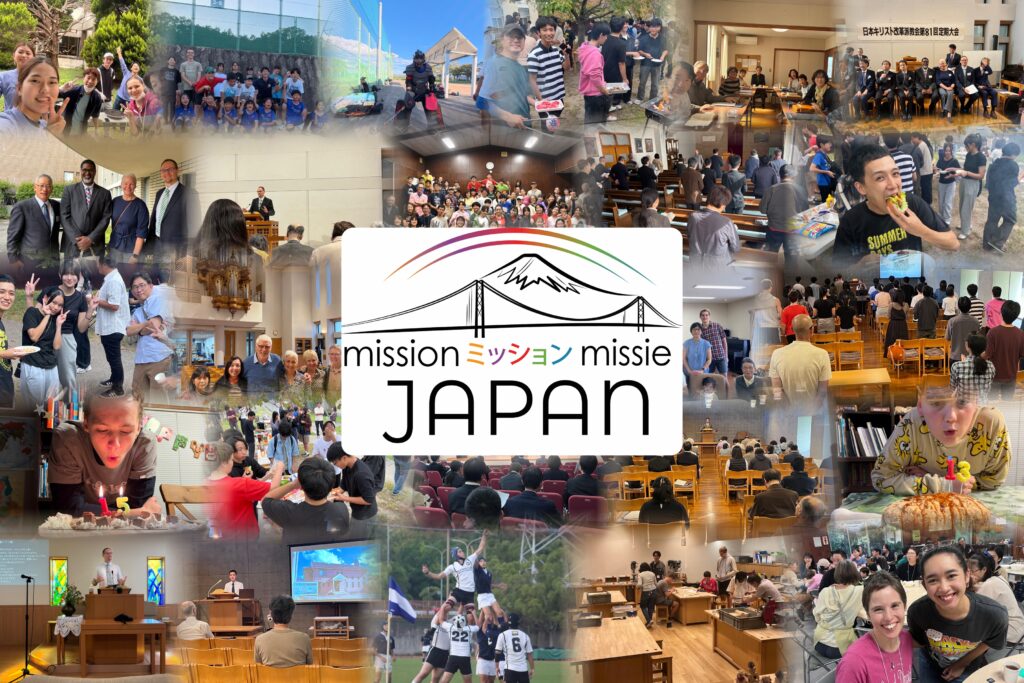
Nou eers, die beloofde grepies uit ons onlangse bedieninge. Die mosaïek van foto’s (collage) sal jou ‘n eerste indruk gee en die onderstaande opsomming verhelder dit in ‘n neutedop.
Vir ongeveer 50 tieners uit ons area was ons jaarlikse herfsbraai veel meer as net ’n lekker kuiergeleentheid. Brûe is gebou tussen die kerk en jongmense uit ons gemeenskap. Dit maak deure oop vir nuwe ontmoetings met die Christelike geloof in Japan, met ‘n skrale 1% Christen bevolking.
Ek (Stéphan) was deel van ‘n opname en uitsending van Bybel boodskappe op ‘n plaaslike Christen radio stasie. Dit was ’n unieke geleentheid om met ’n baie groot, ‘onsigbare’ gehoor in Japan die Goeie Nuus te deel.
Die Reformed Church in Japan, onder wie se sorg en toesig ons werk, se sinode vergadering het einde Oktober plaasgevind. Die 140 gemeentes wat oor Japan versprei is, het nuwe moed en krag gevind deur die saamtrek van leiers, en die saamsnoer van ‘n hiernieude visie om hier getroue getuies te wees. Ek het ‘n groete boodskap namens die NG Kerk oorgedra by die byeenkoms, en ook saam met ander ekumeniese kerkleiers van Nederland, Amerika en Korea ontmoet.
Ons RCJ Diakonale Aksie Span het byeengekom om ons betrokkenheid by die Kumamoto rampgebied, asook o.a. ons ondersteuning in Nepal en in verskeie projekte in Suid-Afrika te evalueer en implementeer.
Ons mede-sendelinge, Tobie (ds.) en Annalie de Wet, het getrou voortgebou op hulle bedieninge in RCJ Tokushima-Wes gemeente, insluitend die pastorale versorging van lidmate, bybelstudies en die toerusting van die gemeente se visie en passie vir en uitreik na dié in hulle werks-, familie- en vriendekringe.
Ons as Van der Watt gesin het ‘n betekenisvolle saamtrek bygewoon vir families wat deelneem aan tuisonderrig in die groter Kansai area, met amper 100 mense byeen.
Ek het in vyf verskillende gemeentes gepreek en by ‘n ander geleentheid ‘n gemeente toegerus met ‘n lesing oor onderlinge pastorale sorg.
Verder het ek ‘n aanlyn lesing aangebied vir mense uit verskeie kerke, oor David Bosch, Suid-Afrikaanse teoloog en sendeling, en die voortgaande globale impak en betekenis van sy werk, veral deur sy boek Transforming Mission, ook in Japan.
Ons kweekskool (Kobe Reformed Theological Seminary) was ook deel van twee akademiese simposiums in November. Een daarvan was saam met ‘n Lutheraanse kweekskool (in Kobe), oor die interprasie van die Johannes evangelie. Die ander byeenkoms, in Osaka, was saam met verskeie kerke uit Evangeliese kringe, oor die vraag “Wie is die Evangeliese Kerk vandag in Japan?” Stimulerende, sinvolle gesprekke oor aktuele kwessies van ons dag.
Laastens is ons bemoedig deur ‘n kort besoek van vier Suid-Afrikaners uit die Wes-Kaap (Hendrik (ds.) en Jurita Saayman van Kleinmond, en Andries en Tina Erwee van Grabouw). Dit was nou ‘n lekker kuiertjie, kort, maar kragtig!
Op ‘n ander noot het ons twee verjaardae gevier in November, van Lodewyk (15) en Stephan (13). Die jong manne groei teen ‘n tempo! Cornelius (17) het, deur groot genade en gefokusde toewyding goed gedoen in sy deurslaggewende eksamen, wat tel vir universiteits-toelating. Dankie vir almal wat saam bid vir meer helderheid oor sy universiteit opsies vir 2027, in Tokyo omgewing, DV.
Dit bly ons gebed dat meer mense in Japan, en wyer, die unieke, rotsvaste Christelike hoop in hulle daaglikse lewens sal ontdek. Dankie dat jy meeleef, ondersteun en saam bid, veral ook vir ons veelvuldige bedieninge tydens Advents- en Kersfeestyd in Japan. Dis onontbeerlik vir ons, as jou gestuurde medewerkers, hier.
Vrede, seën en sterkte in 2026 se pylvak!
Stéphan, Carina en gesin
Mosaïek van aktiwiteite
The need for both doctrine and devotion
A reflection after attending the CPI Renown Conference,
18-20 November 2026
by Carina van der Watt
Doctrine and theology on the one hand. Passionate praise and worship on the other. Incompatible, right? Dry doctrine and heartfelt devotion seem to be as inconsistent with each other as reclining on a couch and eating chocolates while reading about dieting and exercising.
But this is not my own experience as a missionary in Japan. Neither is it what Paul, the great missionary, advises. Nor is it what South African missiologist David Bosch, whose work is translated even into Japanese, taught: “No mission is possible without theology; no theology is possible without mission. We need the foundation of theology to do missions; theology without mission, on the other hand, will become a dead theology.” (David J. Bosch’s Witness to the World: The Christian Mission in Theological Perspective)
Last week we attended CPI Renown, a conference organised by the Church Planting Institute of JEMA. More than 800 people—most missionaries, and many servant helpers from America—attended. When we sung about God who is sovereignly ruling from high while all the tribes and nations bow down before him, you could imagine the emotional barometer of the room. Gathered together were missionaries from all over the world working all over Japan to tell people that there is no other way but the cross of Jesus—a thoroughly scandalous proposition for our day and age. To be a missionary in a post-modern age of relativism in which inclusivity is the virtue of the day, means that the missionary himself needs to be fully devoted to God. (Unfortunately, drained and disappointed, we sometimes cop-out, becoming lukewarm missionaries, warming ourselves in the hot water baths of Japan.)
Here, at the conference though, the zeal and the fervour for Christ, was tangible. But zeal and fervour can easily become dangerous, sometimes even cultish. Zeal and fervour alone are not always enough in Japan. This is what made this conference particularly encouraging and even providential for me. It was built on sound theology, on sound doctrine. The conference’s messages and seminars were filled with experience, research, and thorough and proper Biblical exegesis with a strong emphasis on the importance of the existing church here in Japan. Again David Bosch is relevant: “A church without mission or a mission without the church are both contradictions. Such things do exist, but only as pseudostructures.” (Bosch, David J. (1991). Transforming Mission: Paradigm Shifts in Theology of Mission.)
Paul repeatedly warned that we should protect the sound doctrine with utmost care; that we should look out for those who distort teaching. Why would Paul, a missionary, whose one goal was to spread the gospel, worry about doctrine?
Many evangelical Christians are wary of dry doctrine. They have seen enough of doctrine divorced of Christ and his resurrection, doctrine without the supernatural and the miraculous. Christian values yes, but without the Messiah. Doctrine without the Messiah leads to a comfortable religion which never challenges us. Ironically, it also leads to false beliefs that fit more with the culture around us. Zeal without doctrine, ironically, equally could lead to false beliefs or to quitting the mission field.
True doctrine then, should lead to praise, to greater devotion. Theology should overwhelm us with who God is and what he has done for us. It should pull us out of our modern individualism and help us realise that everything starts from God, not from us. It does not begin with our desires or ambitions, even if they are good desires and praiseworthy ambitions. Doctrine should change us so that we will heed the call of Jesus Christ when he says, Take up the cross and follow me.
Take the doctrine of salvation. When we contemplate the doctrine of salvation, not only believe it, but really contemplate it, we realise that all fear is gone. If we have accepted Jesus as our Lord and saviour, we have full assurance of God’s salvation. When we meditate even longer, we are shocked into action. Because the doctrine of salvation clearly states that Jesus is the way. Not a way, but THE way. If you are consistent in your Biblical doctrine, the only conclusion you can make is a disturbing call to action: How can each and every Christian not be involved in mission-minded minstries? After all, if Jesus is THE way, how will they believe if they have not heard. Do you see how logical reasoning connects doctrine with zeal?
Why then, with all this devotion and zeal, based on sound doctrine as was evident at the Renown conference, are there so few Christians in Japan? Isn’t the Word of God powerful, revealing the truth like a double-edged sword? A Korean missionary, who has planted a Church in Tokyo, explains. In Japan harmony, or 和 (WA), is the ultimate virtue. In the west, traditionally, people were willing to die for the truth. In Japan, people would die for harmony.
After doing extensive Bible study with one particular Japanese women, she becomes convinced of the truth of Christianity. However, she does not want to give her life to Jesus. Why on earth not? If you know the truth, would not you then follow the truth? No, said the lady. She does not want to disturb the harmony. She does not want to cause trouble to her family and friends around her. She is, in effect, willing to die for harmony.
If we only had zeal and passion at this moment many missionaries in Japan would have become desperately despondent. But this is where good solid theology help us understand that missions is not about outcomes. It is not about the amount of conversions.
The same Korean missionary reflected on Romans 10:15 in his message. “And how can anyone preach unless they are sent? As it is written: ‘How beautiful are the feet of those who bring good news!’” Beautiful feet, even though the wider passage remarks on how many of the Israelites did not respond to the gospel. Let us look at our own feet then. Nowadays people have the best cushioned trek boots to walk across mountains. But in those days you had sandals. Your feet were exposed. When you reached your destination they were covered with mud, bloodied, bruised. How can they be beautiful?
Well, think about a ballerina or a marathon runner. Do their feet look beautiful? No, if you are a serious sports player, if you devote your life to ballet or running, your feet become torn, calloused, and blue, with nails on some toes even non-existent. Yet, the Bible calls the feet of those who bring the gospel beautiful.
We look at our feet and they seem outright ugly to us. But God tells us they are beautiful. What an exhortation to start training and running and enduring! God has never worked according to the expectations of people. In the small and the weak and through insignificant work, God has revealed himself. He does not work with big numbers or with huge outcomes. That would be your stereotypical prosperity-gospel. The doctrine of the Bible is about a God who is sovereign, about a God who lets His Holy Spirit move where he determines, and about a God who changes hearts where He wills and when He wills.
We, you and I, who know the truth, are only called to be faithful. And to hold onto the promises of God: His word will not return empty.
So is my word that goes out from my mouth:
It will not return to me empty,
but will accomplish what I desire
and achieve the purpose for which I sent it.
Isaiah 55: 11