Japan is—especially since the Second World War—well known for its dedicated “corporate warriors”: employees willing to devote extraordinary amounts of time and energy to their companies. Over the past few decades, however, the country has gradually begun moving towards a healthier understanding of the balance between work and personal life, with increasing attention being given to rest, family time, and mental well-being. Surprisingly, it now seems that the pendulum may be starting to swing back again.
Some younger, ambitious employees are once again questioning the emphasis on work-life balance, arguing that one simply needs to work harder—and longer—to get ahead (read more). After all, it produced astonishingly good results after the war! At least, economically speaking. Until the bubble of prosperity burst in the 1990s …
The Japanese government has recently begun allowing companies greater latitude once again when it comes to overtime work. This debate is taking place against a sobering backdrop: compensation claims related to karōshi—deaths and serious illness caused by overwork, or more literally, working oneself to death—reached a record 6,212 in 2025. In keeping with this, Prime Minister Sanae Takaichi herself pledged to “work, work, work, work, and work”! She has, however, since faced public criticism over her own extraordinarily intense work schedule, which leaves precious little room for sleep and rest (read more).
But what does all of this have to do with the work of missionaries in Japan? Perhaps more than one might think.
We came to Japan in 2009 (and our predecessors as far back as 1974)—as representatives of supporters like you—to work here. If you are wondering what we have been keeping ourselves busy with over the past few years, feel free to click here. Mission work inevitably requires sacrifice. We hope, however, to continue serving faithfully here for many years to come. That means the sacrifices we make must also be sustainable. In order to keep working, we must also keep resting. It sounds obvious. In practice, however, it is not always that simple.
Our Western assumptions about holidays, family time, boundaries, and rest do not always fit comfortably with Japanese expectations surrounding work, dedication, and availability. And Japanese churches are, of course, also part of Japanese culture. Our understanding of what is necessary for sustainable, long-term mission work can therefore sometimes clash with expectations about what a dedicated pastor, missionary, or church worker should be willing to sacrifice.
We are still learning how to navigate this creative tension. We want to give ourselves wholeheartedly to the work God has entrusted to us in Japan. At the same time, we are convinced that proper rest is part of what makes a lifetime of ministry possible. And perhaps part of learning to rest is simply remembering what God already knows about us: “…for He knows how we are formed; He remembers that we are dust” (Psalm 103:14).
We are all fragile creatures, not machines. Acknowledging our limitations does not mean that we are less dedicated; rather, it acknowledges how God has made us—and how dependent we are upon Him. We share these experiences and reflections while being very much aware that many (if not most) pastors in Japan do not have the “luxury” of taking proper leave. This tough reality is mainly due to a shortage of congregational pastors, but also to other complex cultural factors.
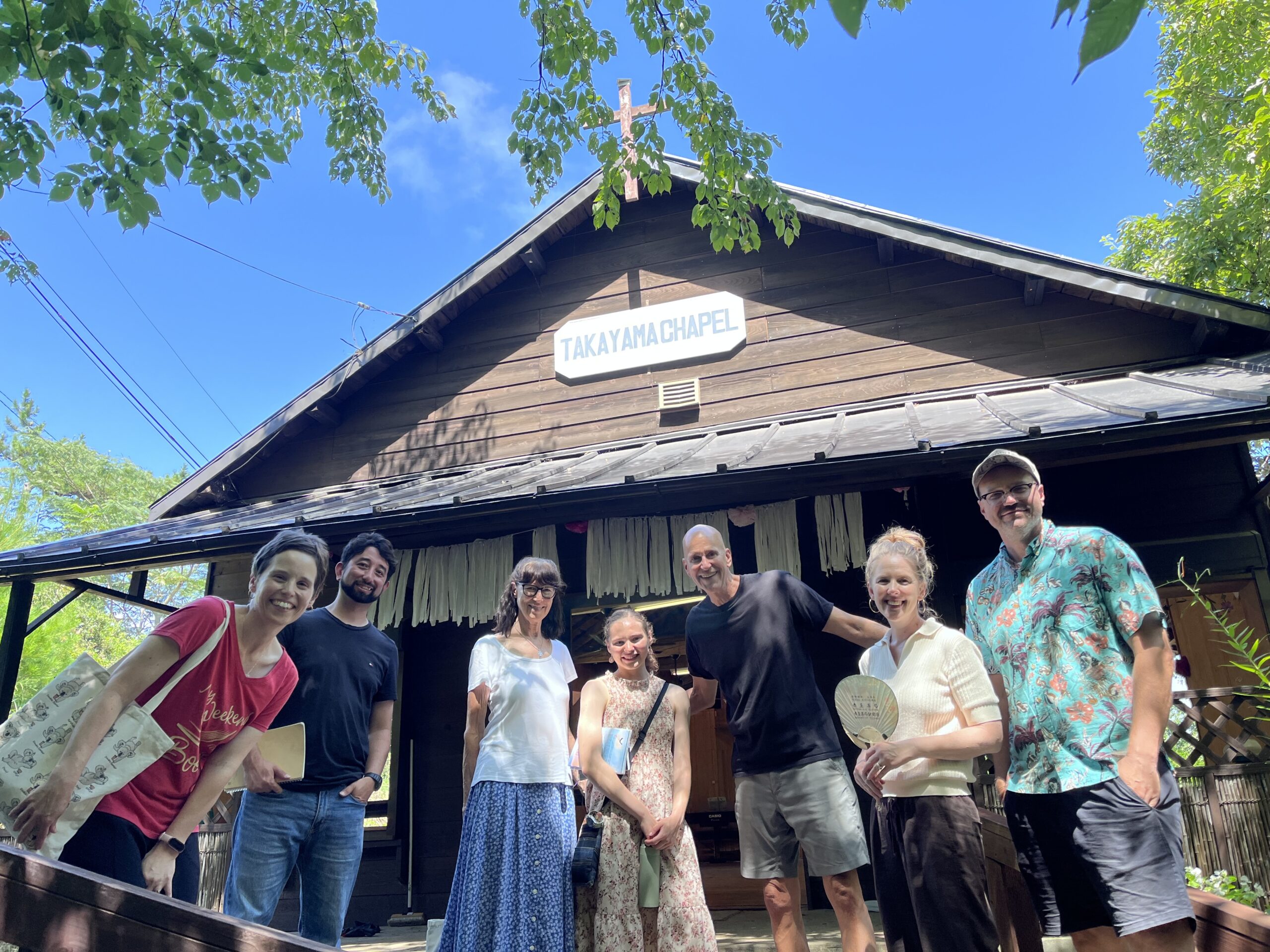
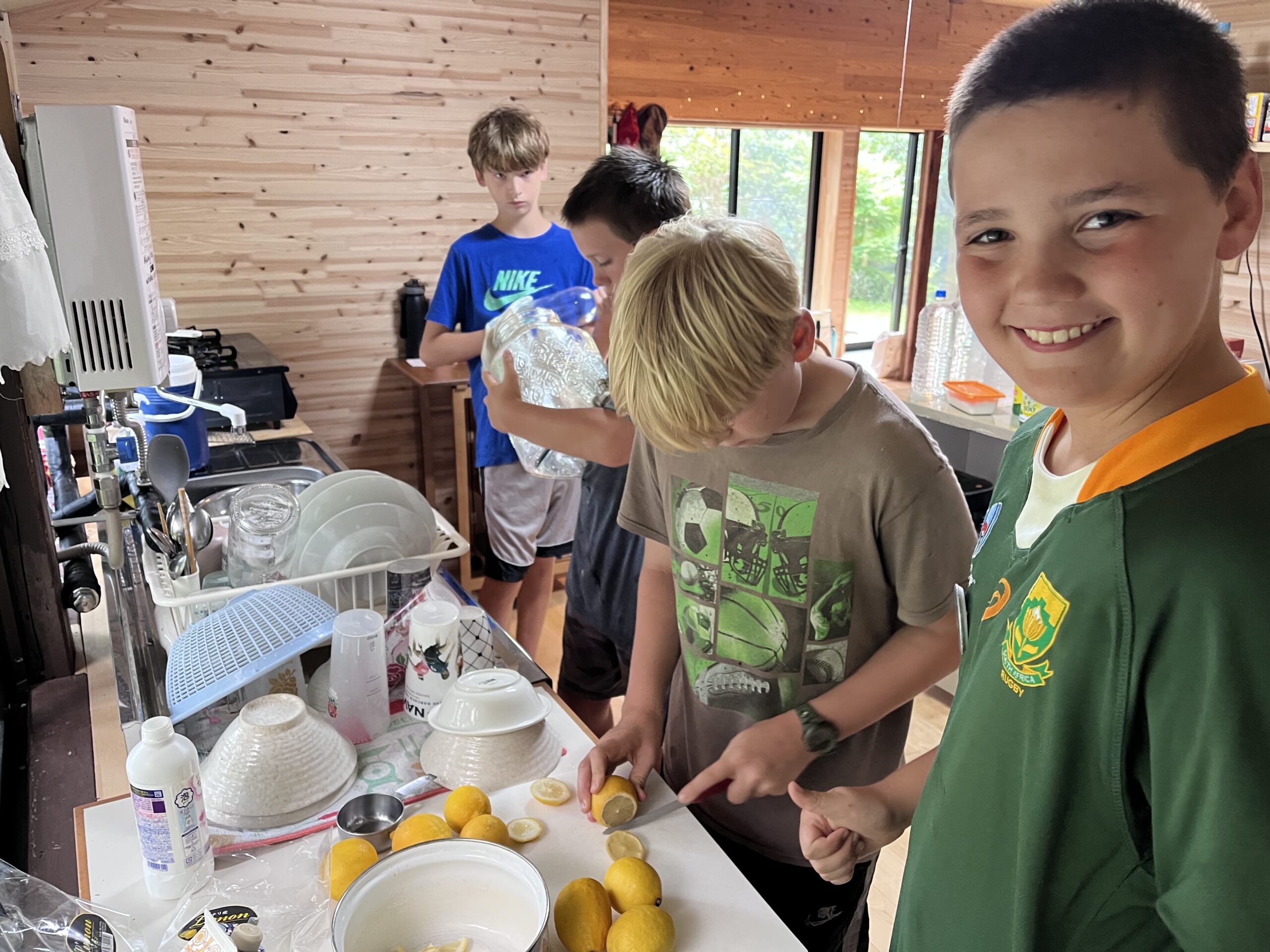
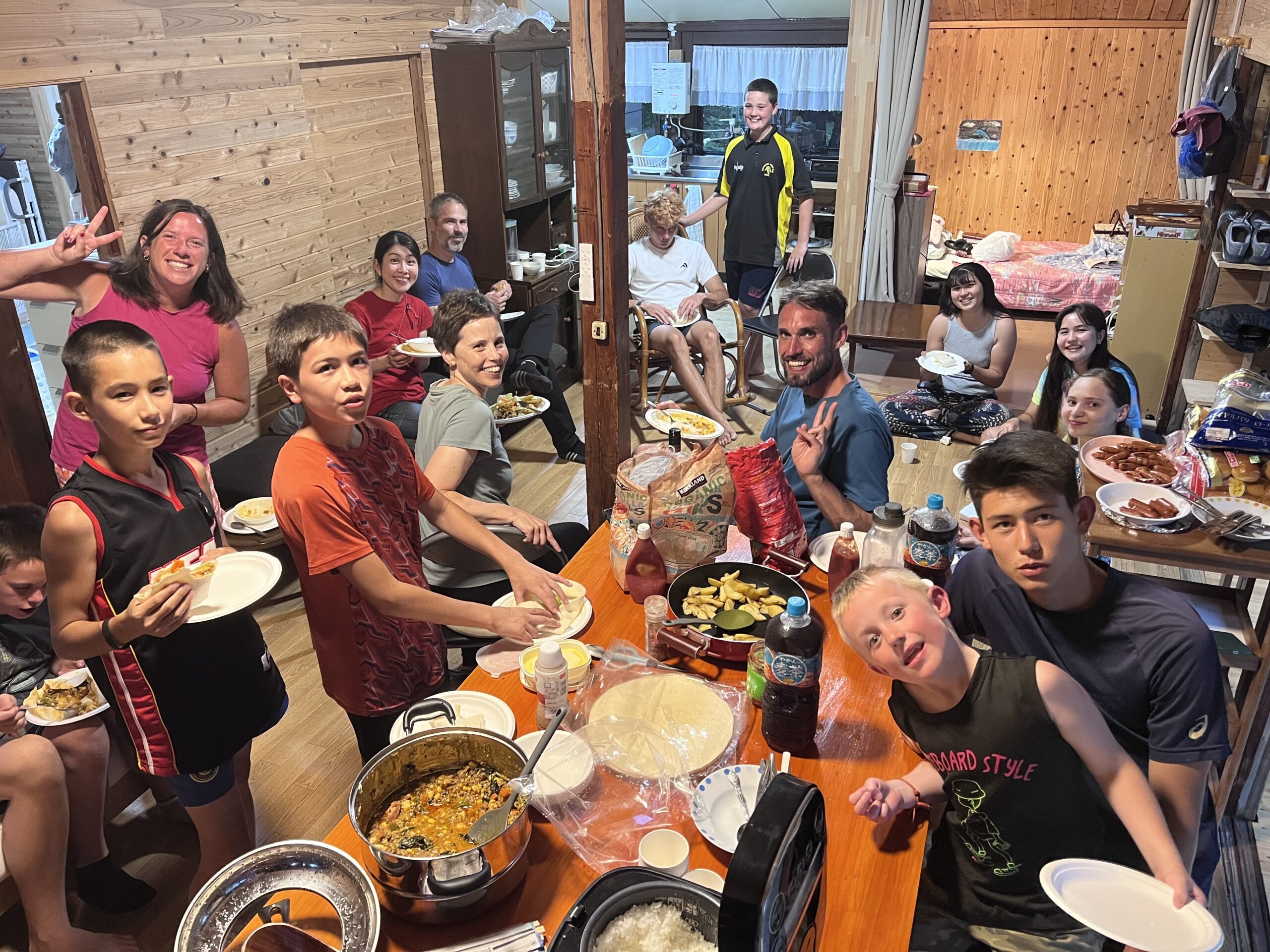
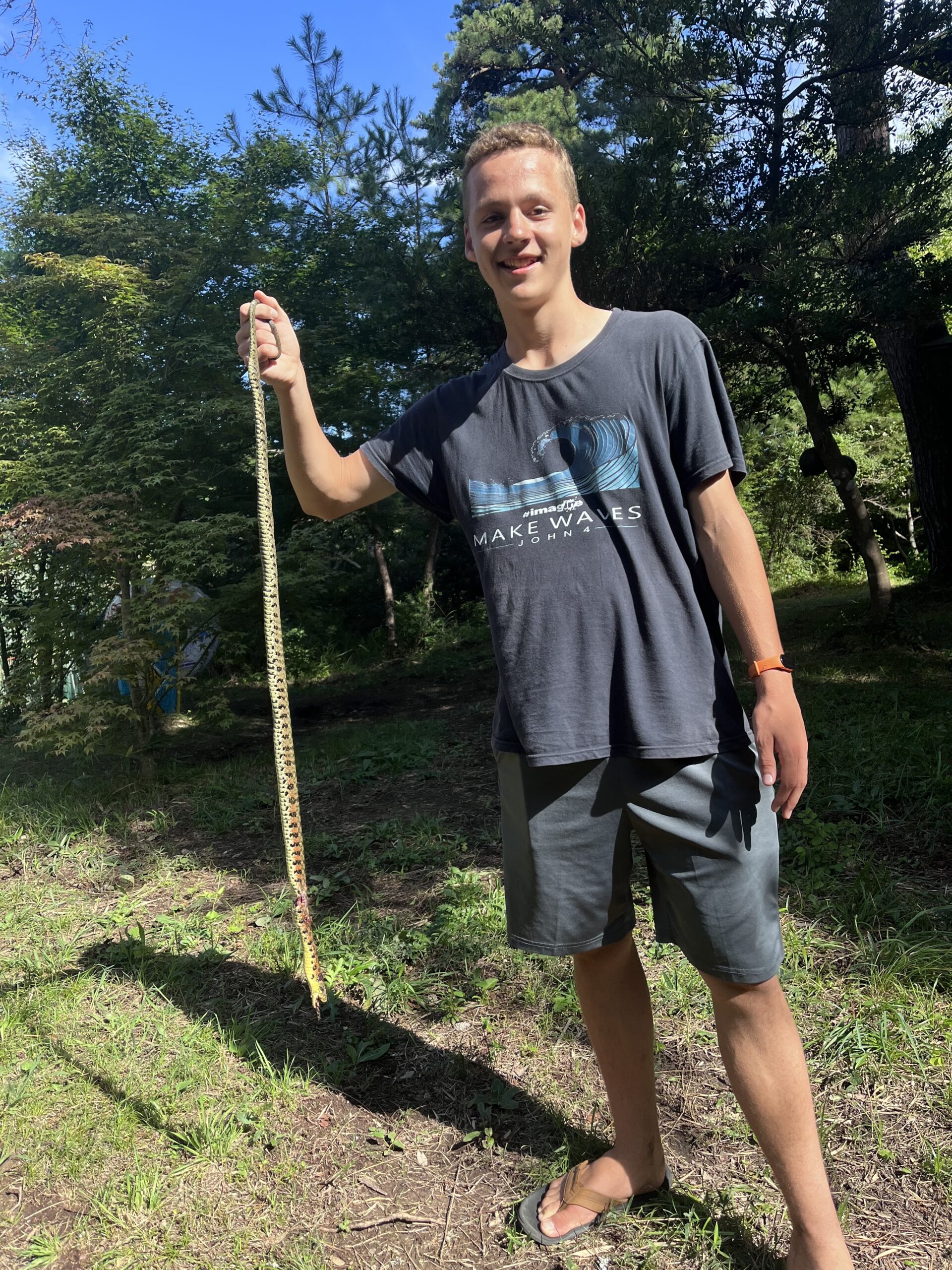
With all of this in mind, this summer we enjoyed a particularly blessed time of rest at Takayama (in the Sendai area)—a holiday retreat that for the past 138 (!) years has been dedicated to providing a place of rest for missionaries and their families. Spending time together, fun activities, and communal workdays—including clearing stubborn bushes and weeds and all sorts of other manual labour to maintain and care for this missionary retreat—were all part of the package. On top of that, we also encountered quite a few snakes … and one of them did not survive the encounter (photo below).
More important, however, was the focus on spiritual renewal and deepening relationships with fellow missionaries. We formed new friendships and renewed old ones with colleagues from across Japan and from all over the world.
In the meantime, we are back in Kobe, ready to serve for another term—encouraged and refreshed. Our daughter Annlie has started university in the Chiba area and is thoroughly enjoying this new stage of life. Thank you so much for everyone’s prayers and support. Time and again, we are amazed at the way God provides through each and every partner in this ministry!
Your prayers and support strengthen our hands and hearts. Thank you so much!
Peace and joy, in Christ,
Stéphan and Carina; also on behalf of Rev. Tobie and Annalie de Wet (RCJ Tokushima-West)
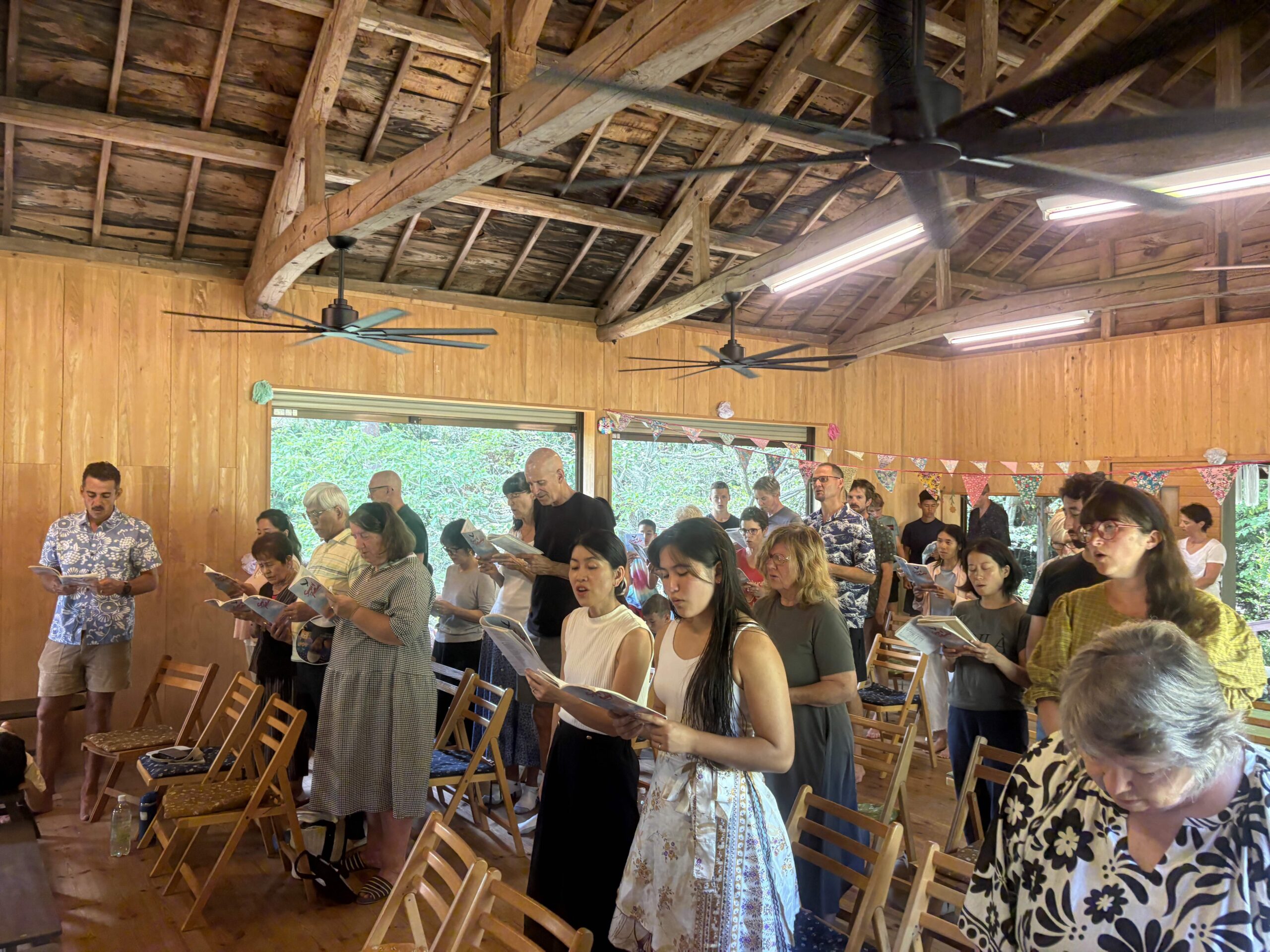
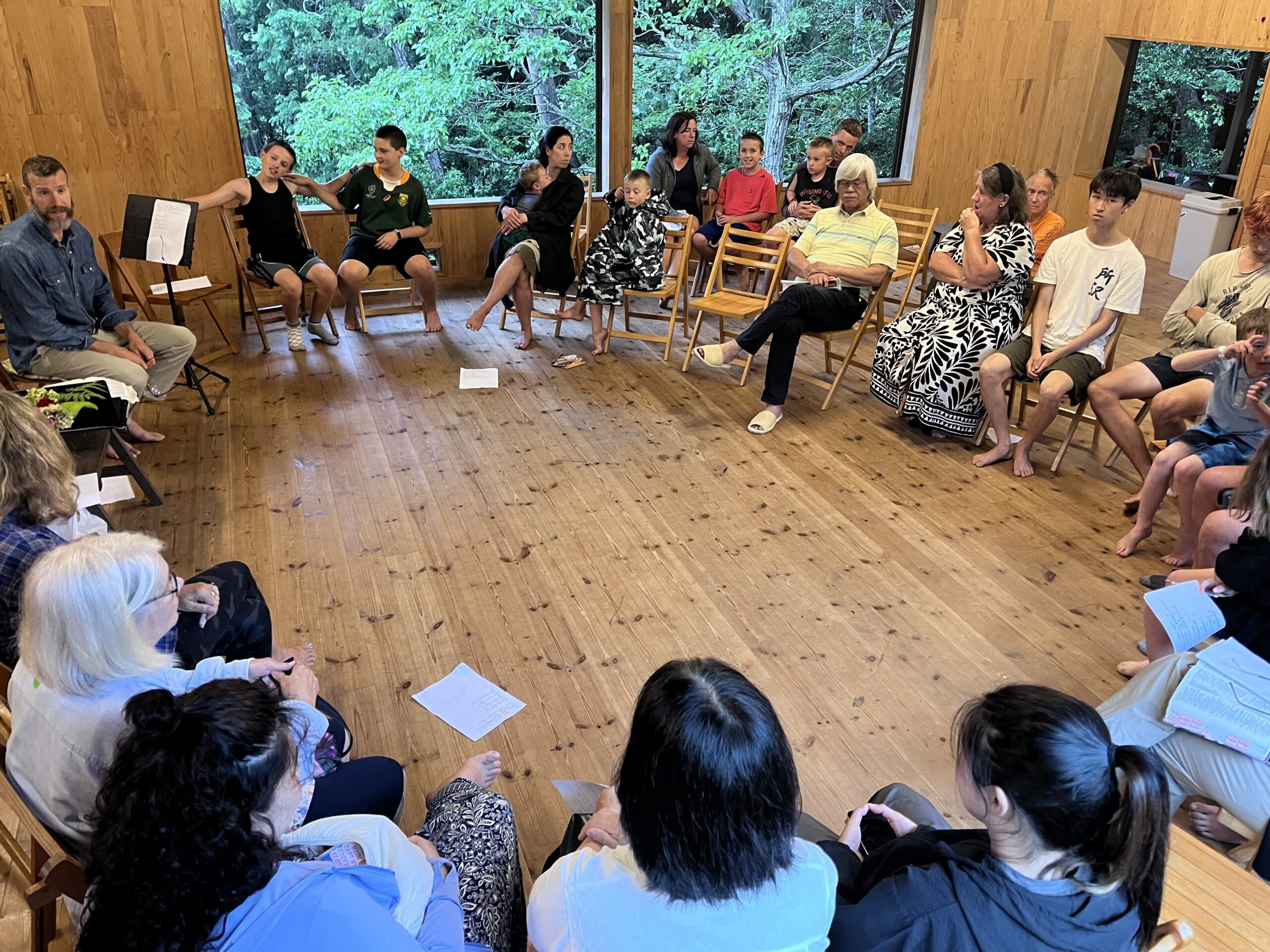
Activities @Takayama
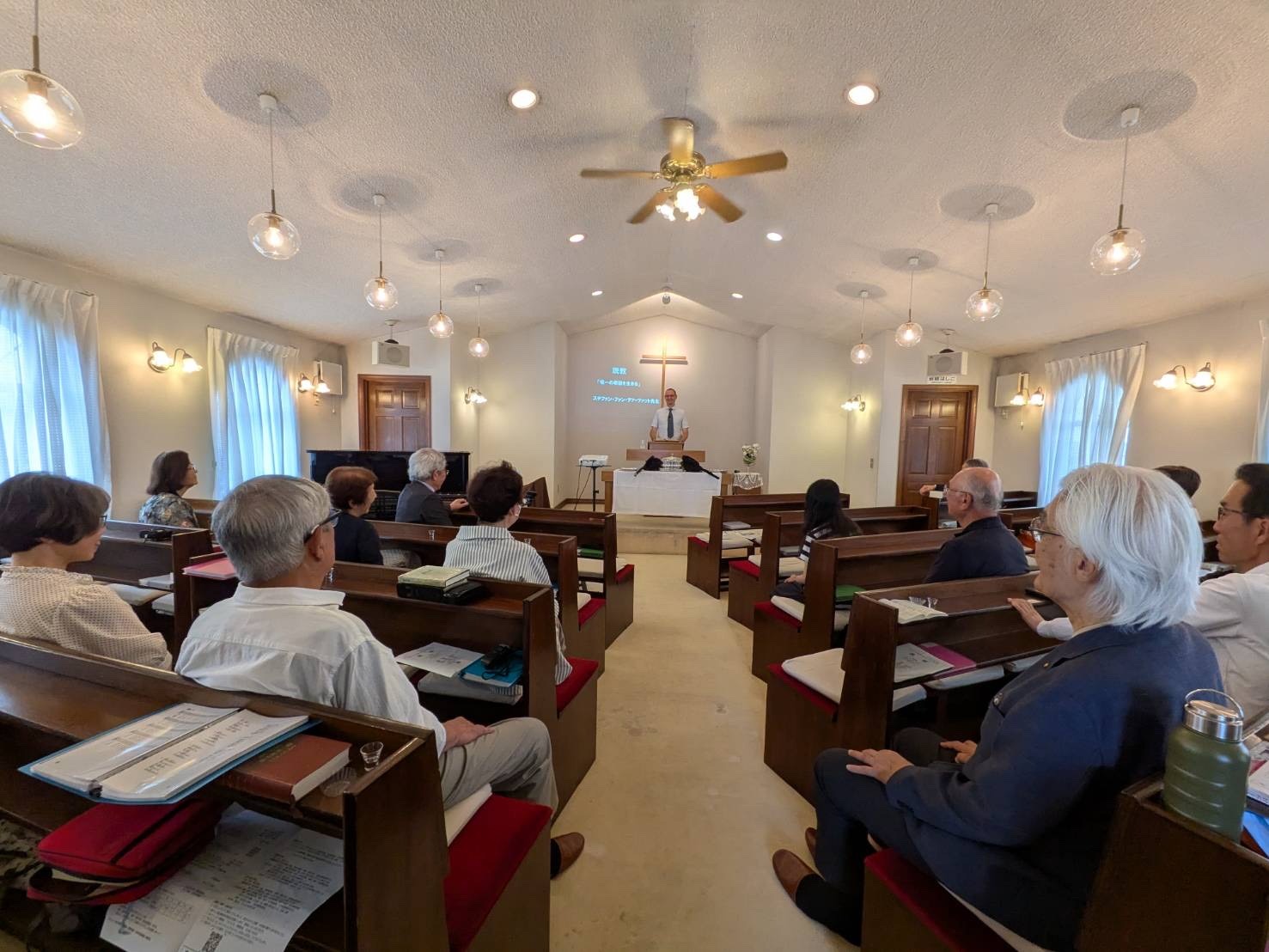
Worship, Prayer, Fellowship etc.

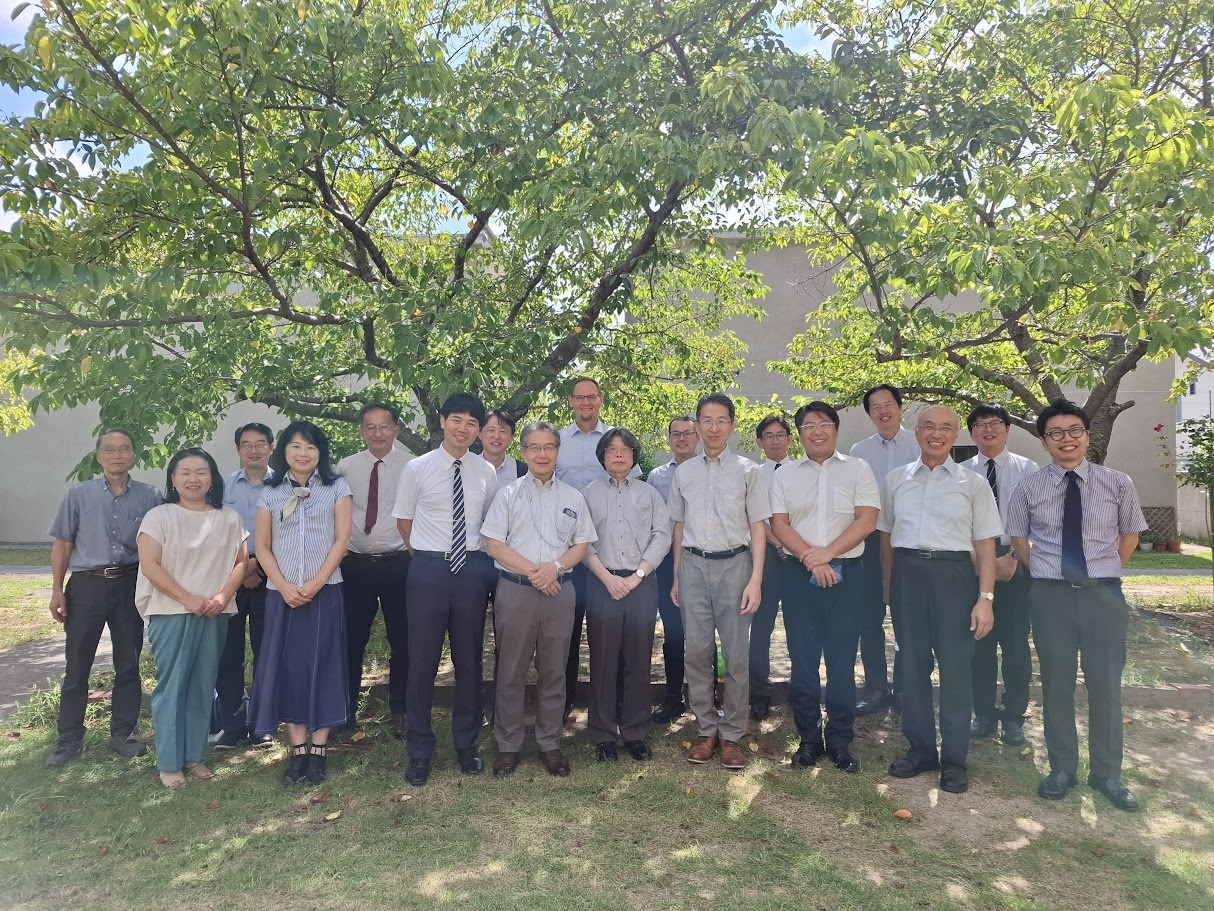
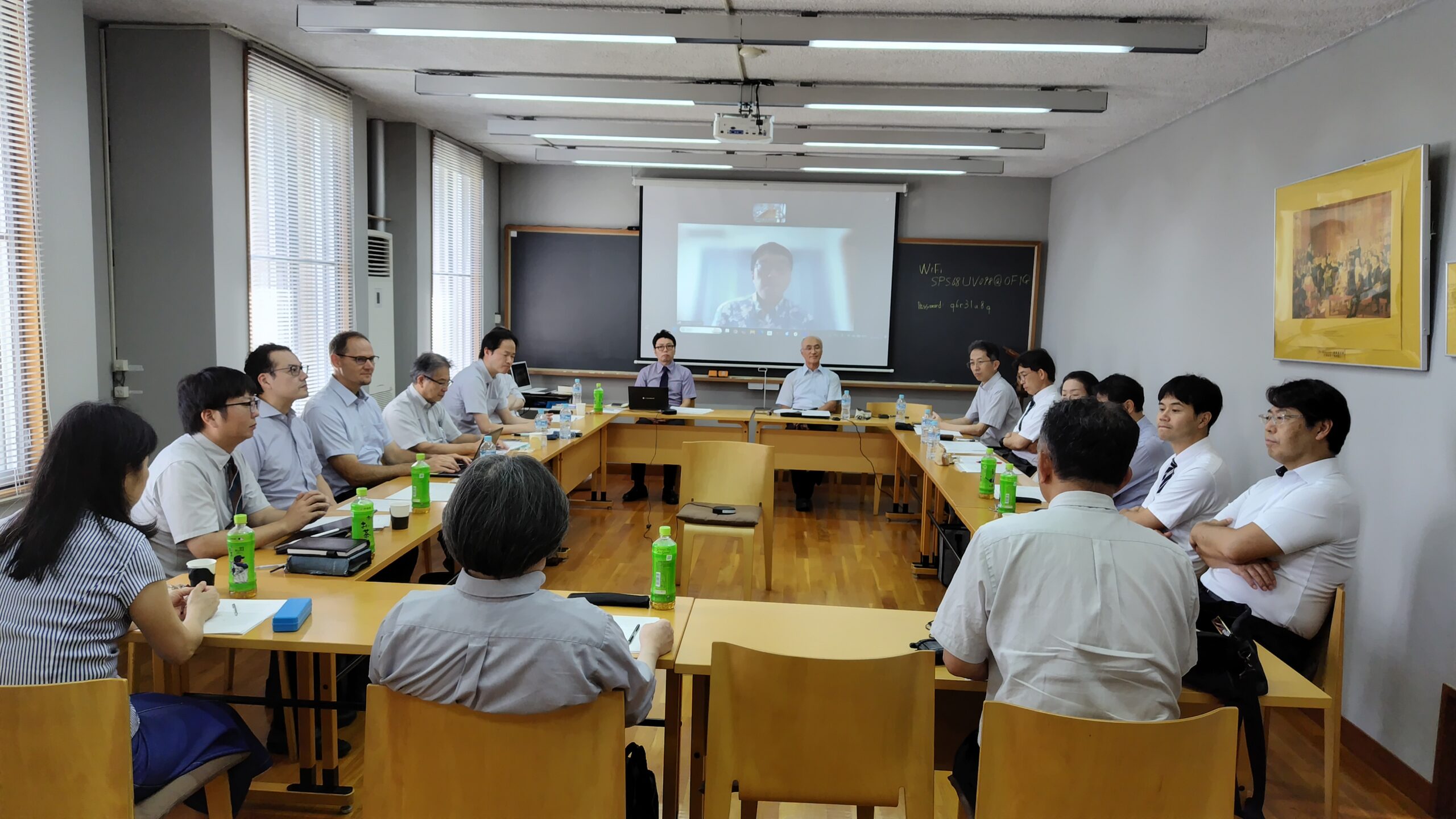
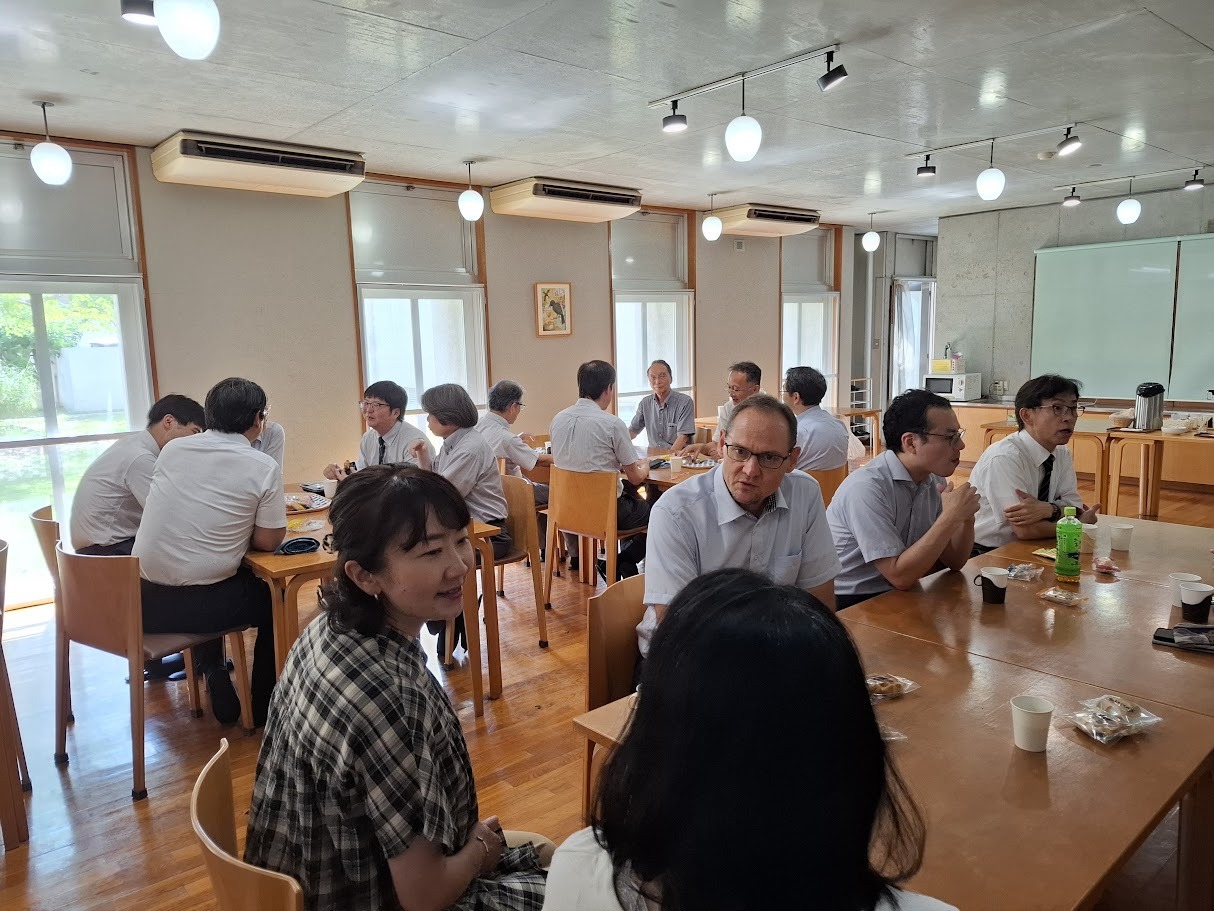
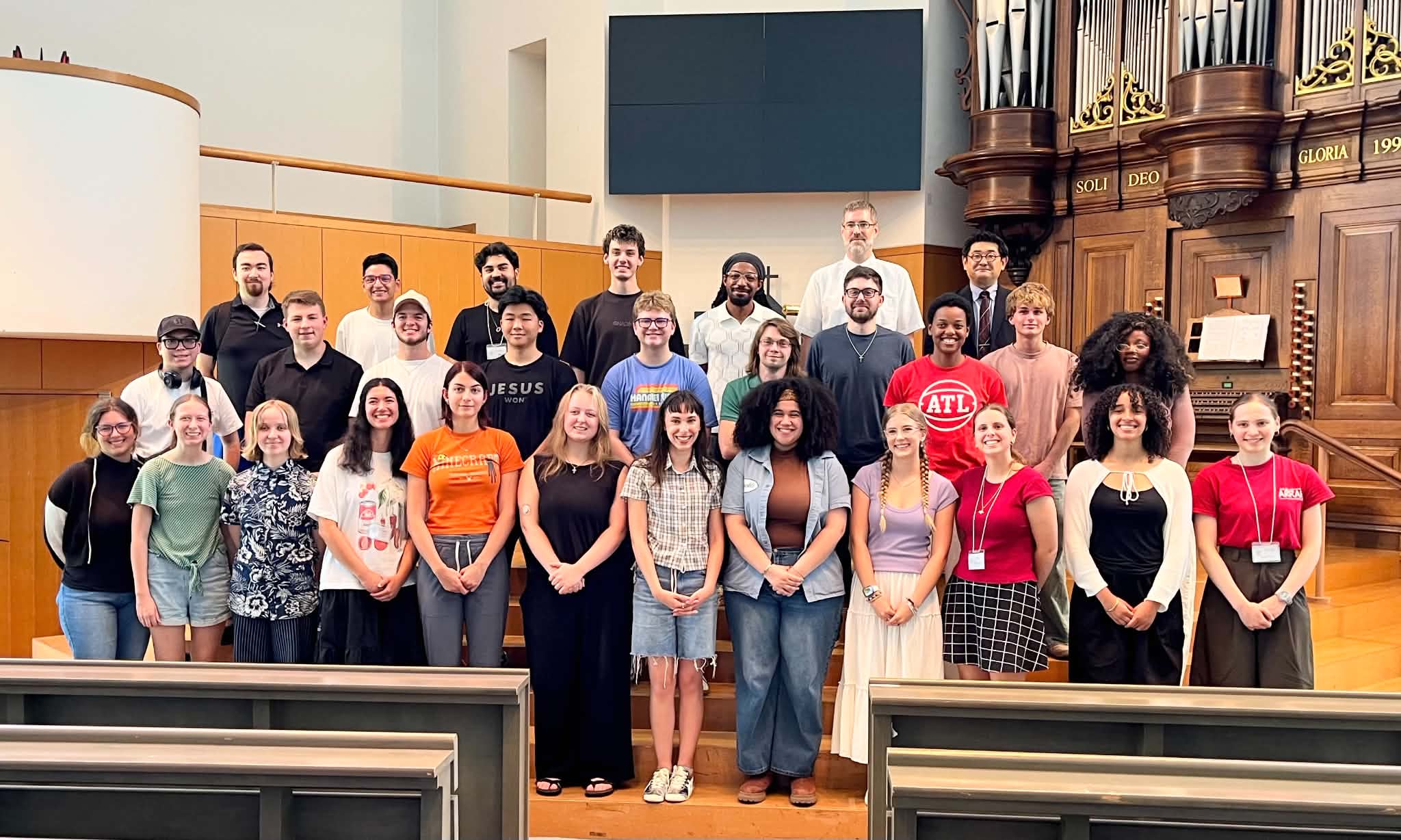
Lecturers and students gather @KRTS
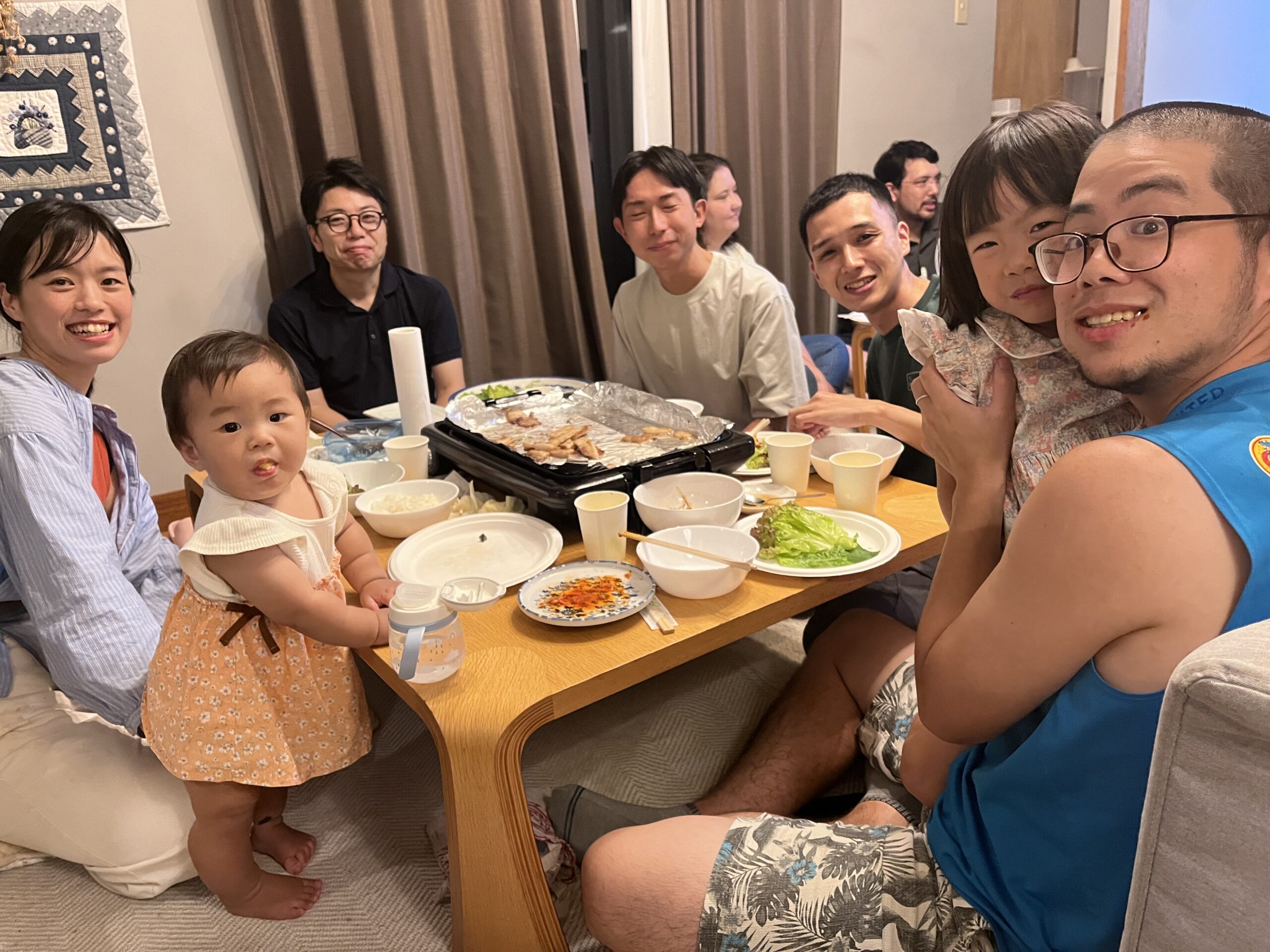
On Monday evening we had a wonderful time together with some of our students who had just returned from their summer internships across Japan. It was wonderful to hear how the Lord had blessed and used them, although many of them also testified to how soberingly difficult evangelism can be in the marsh of Shinto and Buddhist cultural practices, (especially) in the rural parts of this fascinating country.
KRTS is currently facing several challenges related to staff changes, for various reasons. A major generational transition lies just around the corner. Yet God has blessed us with exceptionally dedicated lecturers—almost 20 in total, most of whom are also full-time pastors, as well as students who devote themselves wholeheartedly to their studies and sacrificial involvement in church ministries. For this we are deeply grateful, and we look ahead with joyful courage.
It nevertheless remains a time of significant and challenging pressures within the broader body of Christ in Japan, as well as at theological training institutions throughout the country. We therefore ask for your committed and prayerful support as we continue with these ministries and participate in carrying out Christ’s Great Commission (Matthew 28:16–20): “teaching them to observe all that I have commanded you.”
Testimony from Tokushima
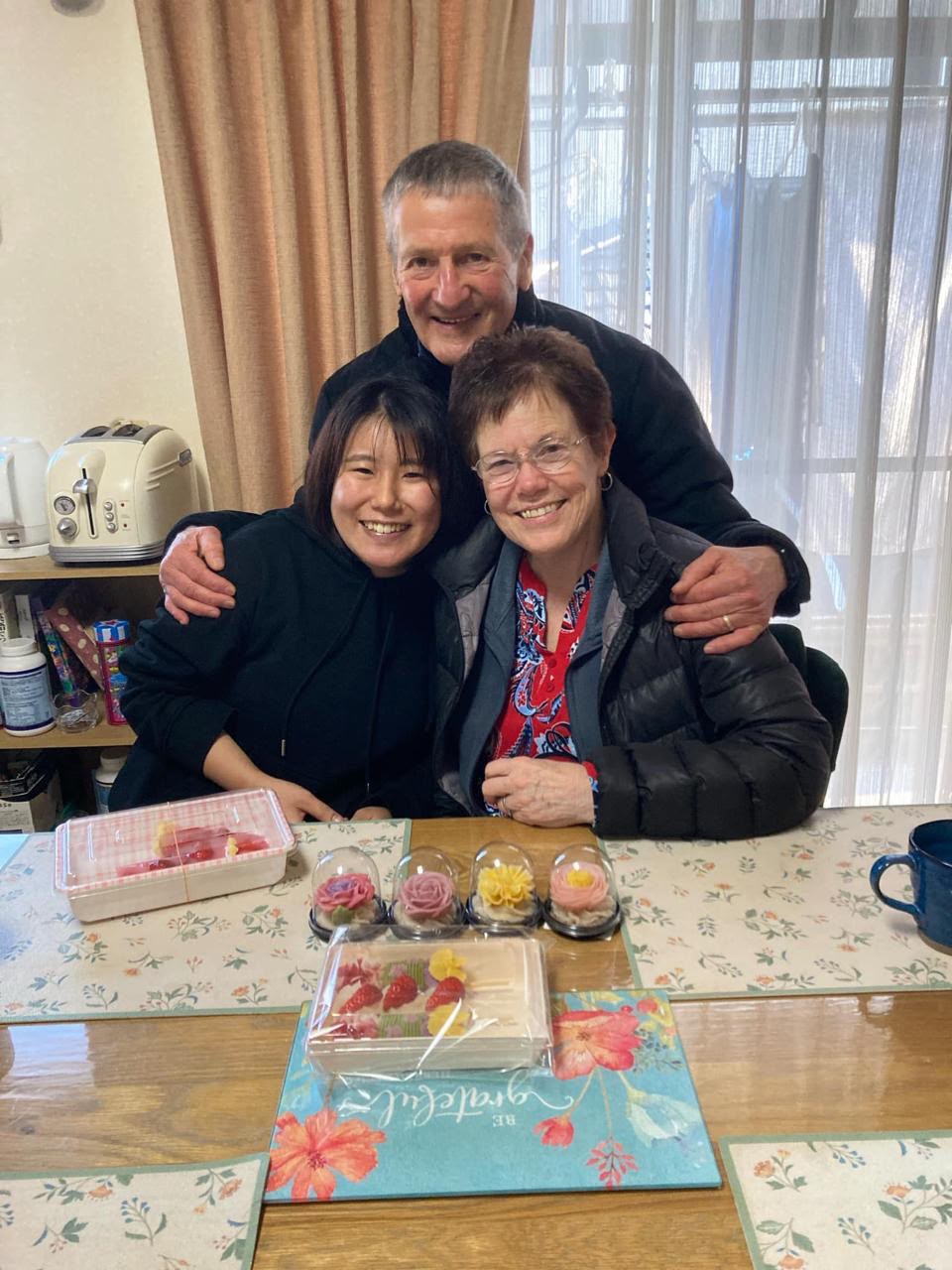
Tobie and Annalie de Wet, our fellow missionaries who have been serving the Reformed Church in Japan’s (RCJ) Tokushima-West congregation since April 2026, share the following testimony from Chinatsu (translated from Japanese with her permission):
I was baptised in 2023. In our family, my father and I are Christians. My father was baptised when he was young, but because he later became very busy with his work, he did not attend church for many years. As a result, both the church and Jesus Christ felt to me like things belonging to a faraway country—far removed from my own life.
Before I came to know God, I found life very difficult. It seemed as though the people around me enjoyed dressing beautifully and fashionably, while others had dreams and courageously ventured into new worlds. But I was not one of them. From childhood, I struggled with feelings of inferiority. I could not simply love myself and lived for a long time wishing that I could somehow change. Yet even in the midst of this there was one source of hope: seeing how my father gradually began to change after he started going to church again. My father had always been strict, but over time he became a gentle and loving father who genuinely listened to my feelings. I knew nothing about the Christian faith, but one thing I immediately understood: “My father became a kinder person because he goes to church!”
During the pandemic, I went to live alone in a place far from my hometown. In an environment where I knew no one, for about six months I simply went back and forth between my home and work. I experienced a deep loneliness that even the music and travelling I loved so much could not take away.
Until one day I reached an emotional breaking point. I wondered, “Could there perhaps be a passage in the Bible that could rescue me from these painful feelings?” I started searching online and came across a video introducing 1 Kings 19. Some time before, my father had given me a Bible for my birthday, but it had remained among my belongings and I had never opened it. I took it out and turned to that passage of Scripture. “Get up and eat, for the journey is too much for you.” Elijah had fled in fear. Physically and emotionally exhausted, he had even prayed that he might rather die. When I read these words that God spoke to him, my heart trembled and I felt as though I wanted to cry. Here in Japan too, there is a loving Being who does not tell me, “You need to try harder,” but rather, “You need to rest.” That was how, through the Bible, I truly encountered God for the first time.
After that I gathered my courage and walked through the doors of a church. It was the church my father had told me about. I was uncertain and anxious, but the person sitting in front of me kindly showed me where to find the Scripture passage. When I left the church, several people came up to me, spoke with me, and showed a genuine interest in me. On another occasion, someone sat down next to me and shared their testimony with me. I also saw elderly people singing hymns of praise with joy and wholehearted devotion. As I watched them, I began to think, “God really does exist.”
Slowly but surely, I began attending church more and more. Even on days when I was completely exhausted after work, going to church filled my heart and gave me new strength to live. God gave me a congregation where people encouraged me and shared meals with me. Previously, I had always cried in the midst of trials, but gradually I changed into someone who could say, “God is with me, so surely everything will be all right!”
As Jesus says in John 7:37–39: “If anyone is thirsty, let him come to Me.” My heart had for a long time been as dry as a dried-out sponge. But God poured the water of life into my heart until it overflowed and completely filled me. God gave me a place where I belong.
Prayer requests
FOR TOBIE AND ANNALIE
1. Gratitude—every day, simply gratitude—that we can still be here in Japan, healthy, blessed, well cared for, loved, part of our Church’s Mission in Japan, and for everyone’s support and involvement.
2. Pray for the ministry of the Word every Sunday and the pastoral care of the members of Tokushima-West, for every Wednesday prayer meeting and Bible study, and for our spiritual growth towards our unity in Christ (Ephesians 4).
3. Pray for the congregation’s heart, vision and passion for reaching out to those outside the church, in each person’s immediate surroundings, among family and friends, and also to children and grandchildren who are no longer part of the church.
FOR STÉPHAN, CARINA AND FAMILY
1. Thank the Lord for our health, vitality, and the recent time of leave during which we and our children (especially) could relax, spend time together with many friends, and grow.
2. Pray with us for the Lord’s guidance and care during the new term of homeschooling. Cornelius (17) is working hard in preparation for his exams. Together with him, we are exploring university options in the months ahead. Pray also for Annlie’s adjustment to Tokyo Christian University.
3. Pray with us for our involvement in our local RCJ Kita Kobe congregation, as we seek to equip members for their Christian witness within their families, workplaces, etc. Pray especially for Carina’s Sunday school teaching and hospitality ministry, and for Stéphan’s seminary teaching, equipping of theological students, and preaching opportunities at three other congregations (RCJ Nada, Takarazuka and Sakai Mikuni congregations) during September.
A bit of everything …


HARASSMENT ?!
A SERIOUS MATTER ON A LIGHTER NOTE
#Harassment. It’s one of those buzzwords you hear a lot these days—and increasingly so in the church in Japan.
The RCJ has been focusing seriously on this thorny issue for the past decade, seeking to equip both church members and pastors and to make them more aware of the kinds of actions, words, and behaviour that may be regarded as harassment.
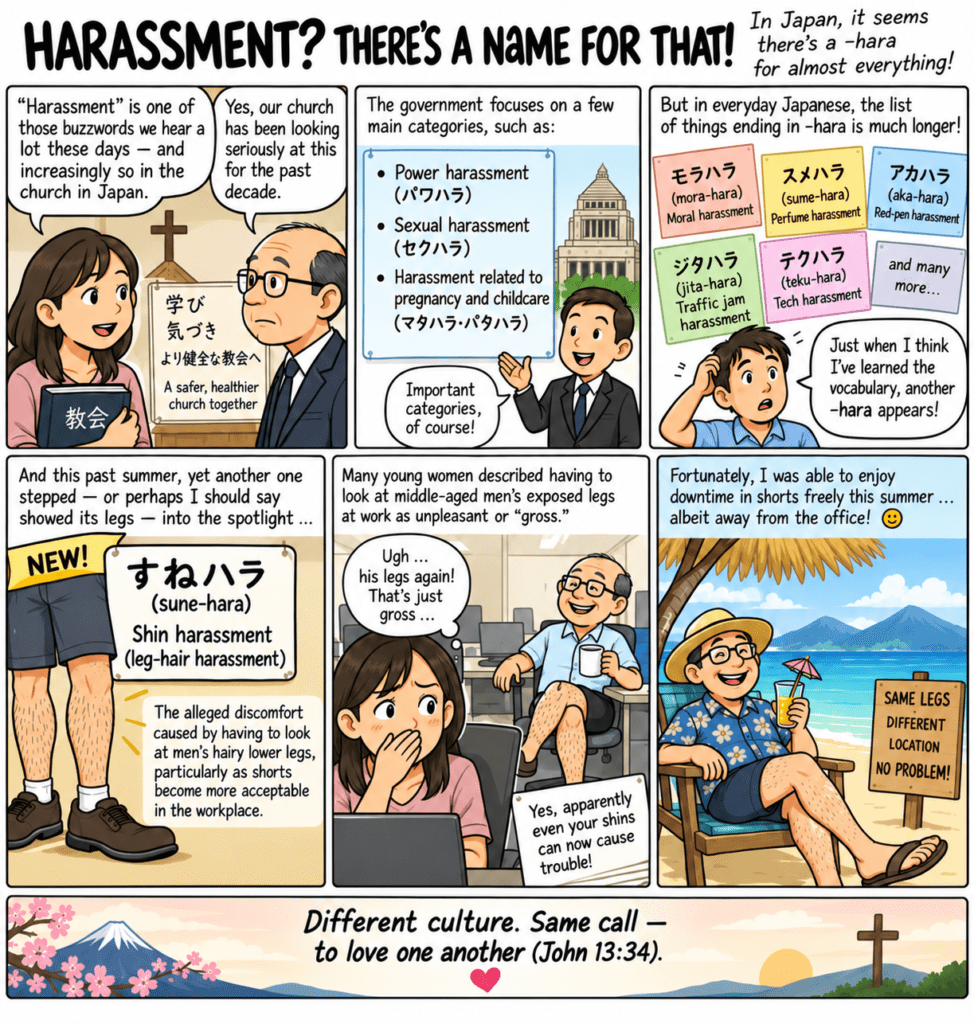
Japanese society, meanwhile, seems to have developed quite a special talent for giving every form of harassment a name. The government formally focuses on only a handful of major categories, such as power harassment, sexual harassment, and harassment related to pregnancy and childcare. But in everyday Japanese usage, the list of things ending in “-hara” (the Japanese abbreviation for “harassment”) has grown considerably longer. Depending on which list you consult, you may encounter dozens of them. Just when you think you have mastered the vocabulary, yet another “-hara” appears!
And this past summer yet another one emerged —or perhaps I should rather say: showed its legs. Because of the extreme summer heat, some men were allowed to wear shorts to work. But many younger women said that they found it unpleasant or even “gross” to have to look at middle-aged men’s hairy legs at work. Meet sunehara (すねハラ) = shin-hair harassment—the alleged discomfort caused when someone has to look at men’s hairy legs. Yes, apparently even your shins can get you into trouble these days! (read more)
Fortunately, this summer I was still able to enjoy my time off in shorts without getting into trouble … admittedly, far away from the office! 🙂 (below is a comical version, courtesy of ChatGPT)
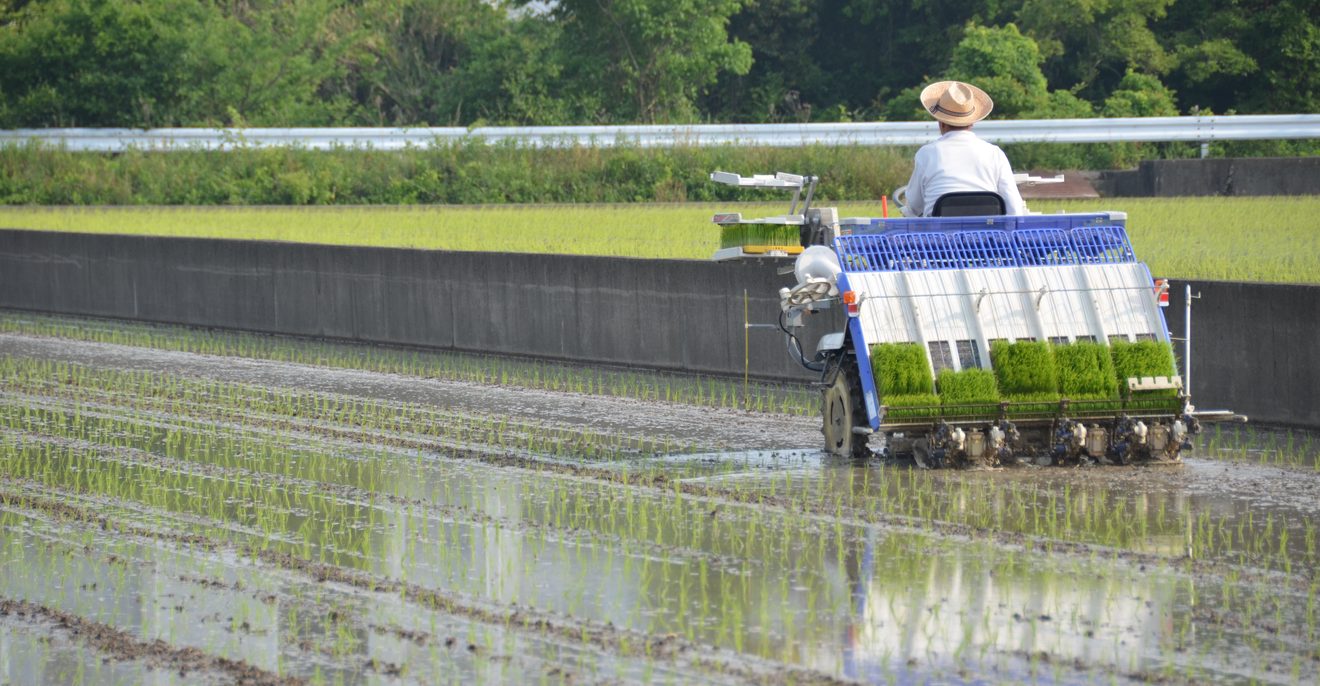
It’s autumn, harvest time in Japan!